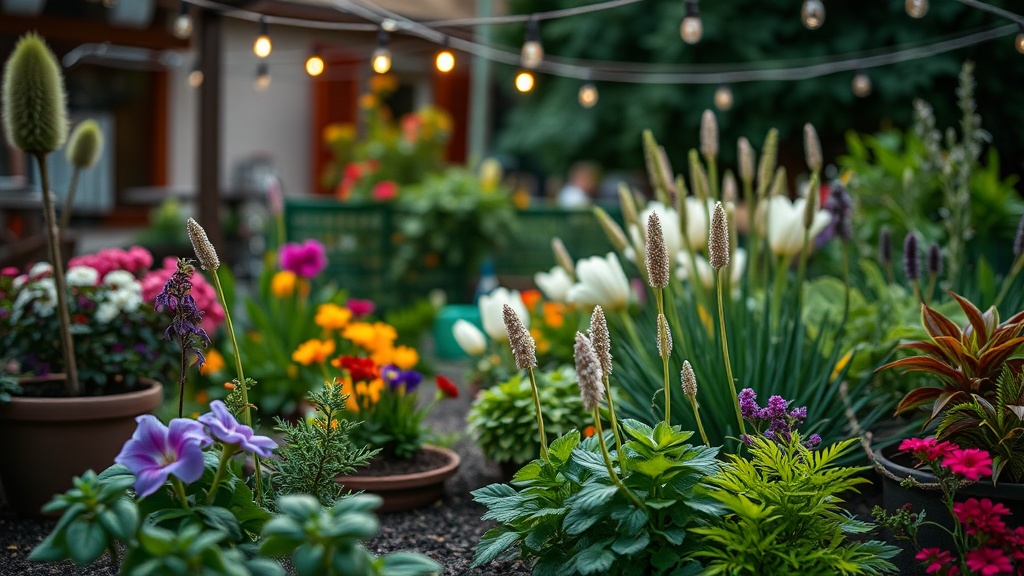
Setting Up Your Home Garden for Okanagan Valley Weather

How do I prepare my garden for the Okanagan Valley growing season?
Are you staring at your backyard right up against the edge of the Okanagan Valley hills and wondering why your tomatoes look so sad despite the sun? We've all been there. Living in the Okanagan Valley means dealing with a unique microclimate—one where we get intense heat, dry winds, and sudden temperature swings that can catch a gardener off guard. It isn't just about planting seeds; it's about understanding the specific quirks of our local dirt and weather patterns.
In our community, gardening isn't just a hobby; it's a way of life. Whether you're living in a smaller lot in Kelowna or a larger property out toward Peachland, the rules of engagement change based on how much shade you get from the surrounding hills. We need to approach our seasonal prep with a bit more strategy than someone living in a more temperate climate. The heat here can be brutal, and if you aren't ready, your plants will suffer before July even hits.
What are the best ways to manage irrigation in the Okanagan Valley?
Water is our most precious resource here, and honestly, it's the biggest challenge for local gardeners. Most of us have noticed how dry the air gets by mid-summer. If you're relying on a simple sprinkler, you might find yourself wasting a lot of water that just evaporates before it even touches the roots. We recommend looking into drip irrigation systems or soaker hoses for your vegetable beds. This delivers water directly to the soil, which is much more efficient for the dry Okanagan Valley summers.
Mulching is another big one. If you haven't started layering your garden beds with organic mulch, now is the time. It keeps the moisture in the ground and helps regulate soil temperature. You can find great supplies at local spots like Garden Center in Kelowna or other local nurseries throughout the valley. Using a thick layer of straw or bark can make a massive difference in how much you actually have to water during those heatwaves. It keeps the ground cool and prevents the sun from baking the life right out of your plants.
How do I deal with the local pests and heat?
We see a lot of different bugs around here, and some of them love our heat more than we do. One thing we've learned is that the weather in the Okanagan Valley can trigger pest outbreaks much faster than in other parts of BC. Keep a close eye on your leafy greens. If you're noticing holes, don't panic, but do act quickly. Sometimes a simple physical barrier like a mesh net can save your harvest.
We also suggest choosing varieties that are heat-tolerant. If you're buying seeds or starts, look for labels that mention heat resistance. A plant that thrives in a rainy coastal environment will likely struggle in our dry, sunny valley. It's always better to check with a local expert—maybe a quick stop at a local nursery—to see what's actually performing well in our specific soil this year. You can check the Government of Canada agriculture resources for general tips on soil health, but local knowledge is usually your best bet for the valley.
Where can I find the best local soil and supplies?
Don't just grab the cheapest bag of dirt you see at a big-box store. Our soil can vary wildly depending on whether you're in the north end of Kelowna or down toward Osoyoos. Most of the valley has a high mineral content or can be quite sandy. We always suggest testing your soil or at least adding plenty of compost to build up the organic matter. This helps with water retention, which is a huge deal for us.
When you're out and about, keep an eye out for local farm stands. They aren't just for buying produce; they are a great place to see what is actually growing well this season. If you see a certain type of pepper or bean thriving at a stand near Mission Creek, that's a signal that it might be a great addition to your own garden. Our community thrives on these small-scale successes, and seeing what your neighbors are growing is one of the best ways to learn.
One thing to remember: the Okanagan Valley can have a very long growing season, but it can also have a very late frost. Don't be too quick to move your delicate seedlings outside. Even when it feels warm in May, a sudden chill can ruin your progress. Keep some frost cloth on hand—it's a lifesaver for local gardeners when the temperature drops unexpectedly at night. It's a small investment that pays off big time when the weather gets unpredictable.
- Check your drainage: Ensure your garden beds aren't holding too much water during our heavy spring rains.
- Plan for wind: If you live in a more exposed part of the valley, your plants might need a bit of protection from the wind.
- Observe the sun: Track how the sun moves across your yard throughout the day to ensure your plants get the right amount of light.
Ultimately, gardening in the Okanagan Valley is about working with the environment, not against it. It takes a bit of patience and a lot of observation, but there is nothing quite like eating a tomato that you grew yourself in our valley sunshine. It's a rewarding part of our local lifestyle, and once you get the hang of it, you'll see why so many of us are so obsessed with our backyards.