Navigating Okanagan Valley Municipal Changes and Local Infrastructure Updates

Why is the Okanagan Valley infrastructure changing so fast?
Did you know that the population density in certain pockets of the Okanagan Valley has shifted by nearly 20% in the last decade? This isn't just about more people moving into our beautiful region; it's about how our local governments in Kelowna, West Kelowna, and Penticton are scrambling to keep up with the physical demands of a growing community. We're seeing a massive shift in how roads are paved, how water is managed, and how transit is planned. It's a lot to keep track of when you're just trying to get from your house in Mission to your job in downtown Kelowna.
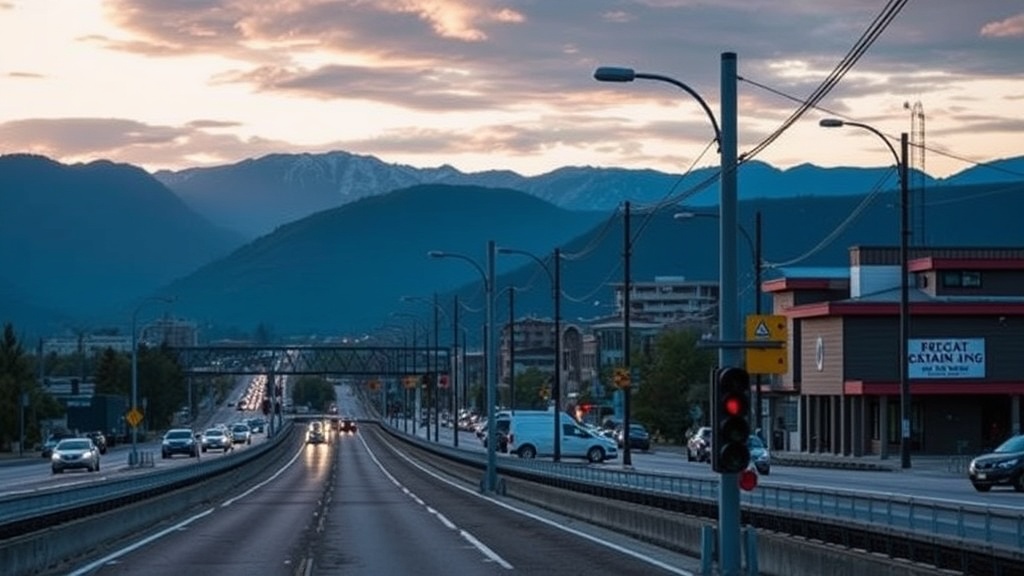
The reality is that our local infrastructure—the very bones of the Okanagan Valley—is undergoing a transformation. Whether it's the widening of major arteries or the constant construction near the Dilized area, these changes affect our daily commute and our long-term property values. We're seeing more emphasis on multi-use paths and better connectivity between residential zones and commercial hubs. It's not just about building more roads; it's about building smarter ones that can handle the seasonal spikes we experience every single year.
Where can I find reliable updates on local roadwork?
If you've ever found yourself stuck in unexpected construction near the Coquihalla Highway junction or near the various outskirts of the Okanagan Valley, you know the frustration. One of the best ways to stay ahead of the curve is to keep a close eye on municipal-specific portals. For instance, the City of Kelowna website often lists upcoming major projects that will impact traffic flow for months. It's also worth checking the Central Okanagan Regional District (CORD) updates for issues that span across multiple municipalities. We find that being proactive about these schedules helps us avoid that mid-afternoon bottleneck near the bridge.
Beyond just roads, our water infrastructure is a huge topic of conversation in our community right now. As the Okanagan Valley experiences more variable weather patterns, the way we manage our local watersheds and municipal water supplies becomes a top priority for local officials. We're seeing more discussions regarding long-term water security and how our local irrigation and municipal systems will hold up over the next twenty years. It's not a small task, and it requires constant monitoring of local government budget meetings and public notices.
How do local zoning laws impact my neighborhood?
We've all heard the chatter at the local coffee shops about new developments popping up in older, established neighborhoods. In many parts of the Okanagan Valley, zoning is shifting to allow for more density—this means townhomes and small apartment buildings where single-family homes used once stood. This isn't just a change in the skyline; it's a fundamental shift in how our neighborhoods function. When we talk about density, we're also talking about the need for more local parks, more street lighting, and better waste management services in those specific areas.
- Residential Density: Increased multi-family zoning in areas like Upper Mission or West Kelowna.
- Commercial Expansion: The move toward mixed-use developments that combine retail with living spaces.
- Infrastructure Lag: The ongoing debate about whether our roads and sewers can keep up with new builds.
Understanding these shifts helps us participate more effectively in local town halls and community meetings. It's easy to feel like these decisions are made in a vacuum, but they actually have a massive impact on the day-to-day life of everyone living in the Okanagan Valley. We should be asking the hard questions about how these new developments will impact our local traffic and our access to public services. If you're interested in the technical side of these changes, the City of Kelowna provides detailed planning documents that are quite eye-opening.
What are the long-term plans for transit in our region?
The dream of a truly seamless transit system across the Okanagan Valley is a frequent topic in our community forums. While we have a solid foundation, the reality of commuting between Kelowna, West Kelowna, and Lake Country can still be a headache during peak hours. Local transit authorities are constantly looking at ways to improve the frequency and reach of bus lines, but it's a slow process. We need to keep pushing for solutions that don't just rely on cars, especially as our population continues to climb.
The integration of more bike-friendly paths and pedestrian-friendly walkways is another area where we see significant investment. The goal is to create a more walkable Okanagan Valley, where you don't necessarily need a vehicle for every single trip. This involves everything from sidewalk repairs to the construction of entirely new cycling corridors. It's a massive undertaking, but it's a vital part of keeping our community livable for the next generation of residents.
Keeping an eye on the future
As we look forward, the conversation will likely stay centered on how we balance growth with the unique character of the Okanagan Valley. We're not just a collection of towns; we're a complex, interconnected region that relies on smart, forward-thinking-local governance. Staying informed through local news outlets and municipal announcements is the best way to ensure our voices are heard when these big decisions are being made.