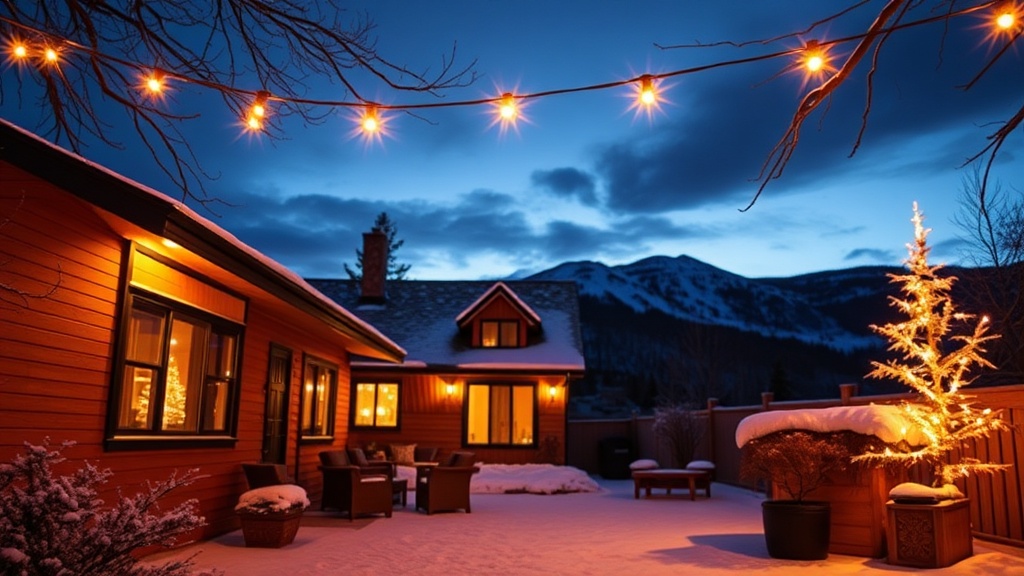
How to Prepare Your Okanagan Valley Home for Winter Power Outages

Did you know that during the severe winter storm of December 2022, over 300,000 BC Hydro customers across British Columbia lost power—and Okanagan Valley residents were among the hardest hit, with some neighbourhoods waiting nearly a week for full restoration? Our valley's unique geography, nestled between mountain ranges and prone to heavy snow loads and freezing rain, makes us particularly vulnerable when winter storms roll through. For those of us who call Okanagan Valley home year-round, knowing how to prepare for extended power outages isn't just helpful—it's part of living responsibly in our community.
What Should You Stock in an Okanagan Valley Winter Emergency Kit?
Building a winter emergency kit for our specific climate requires more than the generic lists you'll find online. We experience temperatures that regularly dip below -15°C during cold snaps, and our valley's position means we can get isolated quickly when highways close.
Start with the basics—but think local. You'll need at least seven days of drinking water stored (roughly four litres per person per day), non-perishable food that doesn't require cooking, and a manual can opener. But here's what generic guides miss: include traction aids like microspikes or Yaktrax for your boots. When Okanagan Valley gets that signature freeze-thaw cycle, our driveways and sidewalks become ice rinks, and you don't want to risk a fall when emergency services are already stretched thin.
Your kit should include a battery-powered or hand-crank radio—CBC Radio One at 88.9 FM in Kelowna will broadcast emergency updates specific to our region. Pack extra batteries for flashlights and headlamps, but also consider a small solar charger. The Okanagan Valley sees over 300 sunny days annually even in winter, and that sunshine can keep your devices running when the grid fails.
Don't forget medications, pet supplies, and cash in small denominations. When power's out, our local businesses along Bernard Avenue or Main Street in Penticton often remain open—they're community lifelines—but their debit machines won't work. Having cash means you can still grab hot coffee from Trees Organic Coffee on Pandosy Street or supplies from IGA on Lakeshore Drive when card readers are down.
How Can You Keep Your Okanagan Valley Home Warm Without Power?
Our valley's older housing stock—those charming mid-century homes in Kelowna's Pandosy neighbourhood or the heritage properties in downtown Penticton—often lack modern insulation. When the power fails and your furnace stops, temperatures inside can plummet fast.
First, identify a warm room strategy. Choose one interior room on the south side of your home (to capture what winter sun we get) and plan to congregate there. Close doors to unused rooms, hang blankets over windows after dark, and use draft stoppers under doors. If you have a wood-burning fireplace or wood stove—common in many Okanagan Valley homes—ensure it's been professionally inspected and cleaned. BC's chimney safety guidelines are strict for good reason; creosote buildup causes house fires every winter.
Never use outdoor equipment indoors. This sounds obvious, but every year across our province, carbon monoxide poisoning sends people to Kelowna General Hospital or Penticton Regional Hospital after they've brought barbecues or camp stoves inside. If you use a generator—and many of us in the valley's more rural areas like Ellison or Joe Rich do—position it at least six metres from your home, with exhaust pointing away from windows and doors.
Consider investing in a small propane heater designed for indoor use, like a Mr. Heater Buddy. Keep extra propane canisters stored safely in your garage or shed. And remember: our valley's temperature inversions can trap cold air for days. Layer clothing—merino wool base layers, fleece mid-layers, and windproof outer shells work better than bulky cotton sweatshirts that trap moisture.
Where Can Okanagan Valley Residents Find Real-Time Information During Outages?
Knowing where to turn for information during a power outage is as critical as having flashlights. Our valley has several reliable sources that locals trust.
BC Hydro's outage map is your first stop—bookmark it on your phone now, because you won't be able to Google it when Wi-Fi's down. The map shows real-time status updates, estimated restoration times, and the number of affected customers. During major events, check it sparingly to conserve phone battery.
The Central Okanagan Emergency Operations Centre (based in Kelowna) activates during significant events and coordinates information through cordemergency.ca. They maintain a Twitter/X feed and Facebook page where they post updates about road conditions, warming centre locations, and shelter information. During the 2021 atmospheric river event, their coordination kept our community informed about which roads were passable and where emergency supplies were available.
Don't underestimate the power of neighbourhood networks. Many Okanagan Valley communities—particularly in Peachland, Summerland, and West Kelowna—have active Facebook groups where neighbours share real-time updates about power restoration, offer help, and check on vulnerable residents. Join yours now, before you need it. And remember: our valley's cell towers have backup power, but during extended outages, conserve battery by switching to airplane mode when not actively using your phone.
Protecting Your Property from Winter Damage
Power outages in Okanagan Valley often coincide with our heaviest snowfalls—and that combination can wreak havoc on homes. When the heat goes off, pipes freeze. When snow loads accumulate, roofs strain. And when ice dams form (common in our freeze-thaw climate), water backs up into attics.
Before winter hits, insulate pipes in unheated areas—basements, crawl spaces, garages, and exterior walls. Know where your main water shutoff valve is located (usually in the basement or near the front foundation wall) and test it annually. If pipes do freeze, never use an open flame to thaw them—hair dryers or space heaters work safer.
Clear gutters before the first major snowfall. The City of Kelowna and other Okanagan Valley municipalities recommend this for good reason: clogged gutters plus melting snow equals ice dams that can damage your roof and cause interior leaks. If you're in a rural area with a well, remember that your pump won't work without electricity—store extra water specifically for flushing toilets.
Trim overhanging branches now, while you can see them. Okanagan Valley's ponderosa pines and cottonwoods can drop heavy limbs under snow load, taking out power lines or damaging roofs. The Regional District of Central Okanagan offers resources for identifying hazardous trees on private property.
Looking Out for Vulnerable Neighbours
One of the strengths of Okanagan Valley's community is how we look after each other—and winter outages are when this matters most. Elderly residents, those with medical conditions, and families with young infants are particularly at risk during extended cold spells.
Make a mental note of neighbours who might need checking on. A quick knock on the door, an offer of hot coffee from your camp stove, or simply sharing information about when power might return—these small acts keep our community connected and safe. Many of our valley's churches and community centres—including the Rotary Centre for the Arts in Kelowna—often open as warming centres during prolonged outages.
If you or someone in your household relies on electrically powered medical equipment, register with BC Hydro's Customer Crisis Fund and your local fire department. They'll prioritize your area for restoration and may provide battery backup assistance. The Interior Health Authority maintains a list of resources for medically vulnerable residents—worth reviewing before temperatures drop.
Winter in Okanagan Valley brings its challenges, certainly. But there's something satisfying about weathering a storm well-prepared—watching snow pile up outside while you're warm inside, powered by foresight and community connection. When the lights flicker back on and you hear your furnace kick in, you'll know you've done right by your home and your neighbours.