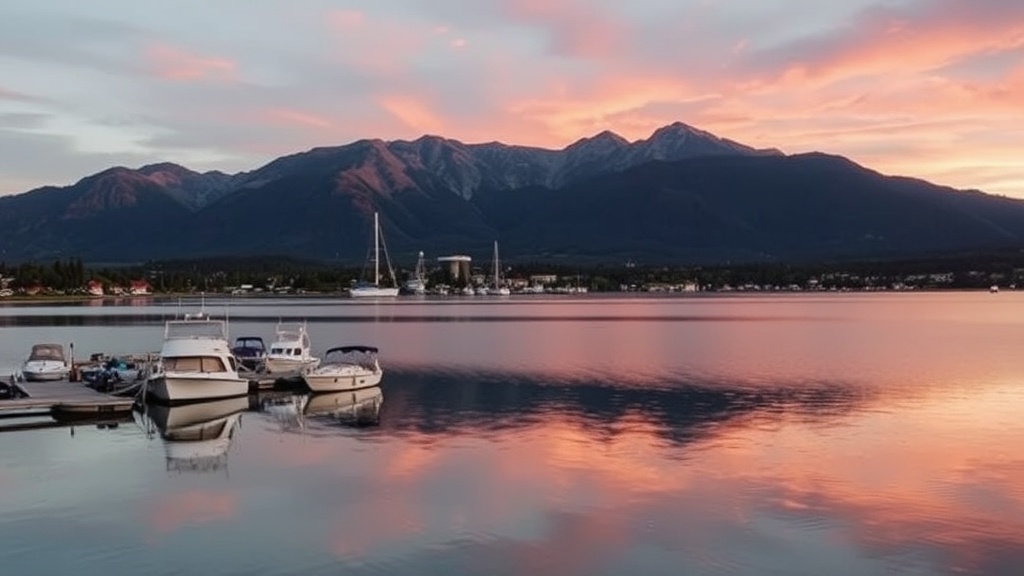
How to Plan a Proper Okanagan Valley Weekend Like a Local (Not a Tourist)

Every summer, the same thing happens: people roll into the Okanagan with a packed itinerary, bounce between Kelowna, West Kelowna, and Naramata like it’s all five minutes apart, and leave wondering why it felt rushed.
The valley doesn’t work like that. Distances stretch, traffic bottlenecks, and the best parts aren’t always the ones you see on the first page of Google.
This is how locals actually plan a weekend here—simple, efficient, and built around how the Okanagan really moves.
Step 1: Choose the Right Home Base
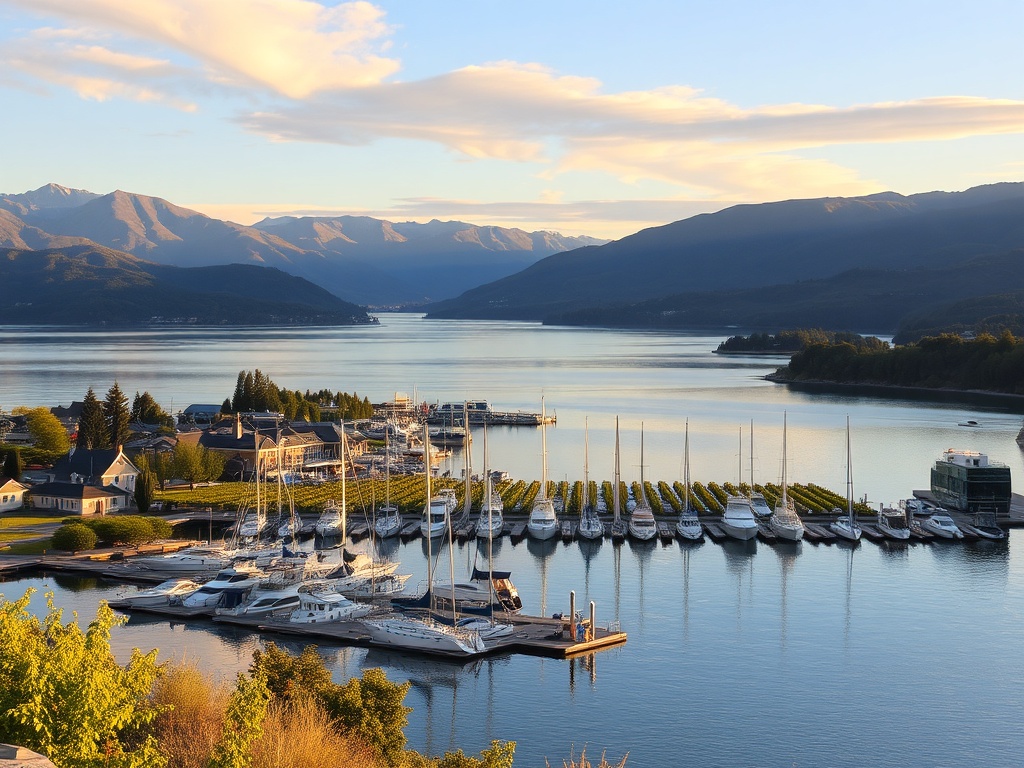
Locals don’t bounce between cities all weekend. They pick a base and work outward.
- Kelowna: Best all-around choice. Easy access to West Kelowna wineries, Knox Mountain, and downtown patios.
- Penticton: Better if your focus is Naramata Bench and beach time between Okanagan Lake and Skaha Lake.
- Vernon: Quieter, less polished, but great if you want space and fewer crowds.
If you’re unsure, choose Kelowna. It gives you flexibility when plans shift—which they will.
Step 2: Anchor Each Day Around One Real Plan
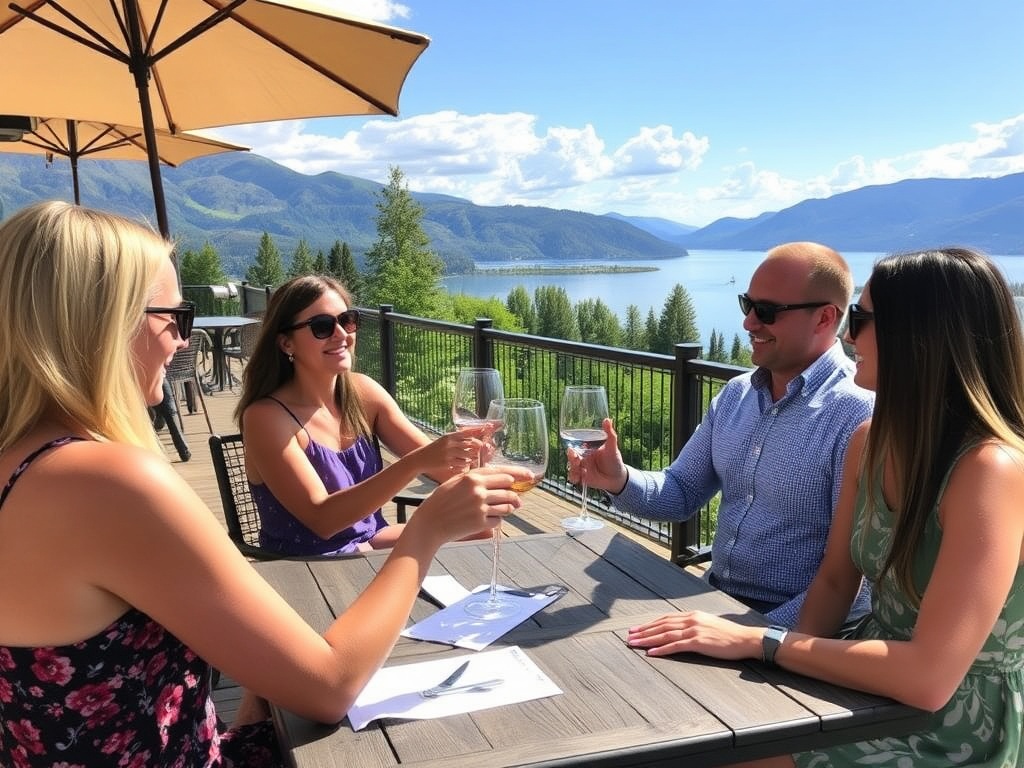
Locals don’t stack five major stops into one day. That’s how you spend more time in the car than anywhere else.
Instead, anchor your day around one thing:
- Wine touring in West Kelowna
- A Naramata Bench day out of Penticton
- A lake-focused day (Gyro Beach, Kal Beach, or a boat rental)
Everything else should support that—not compete with it.
Step 3: Treat Wine Touring as a Route, Not a Checklist
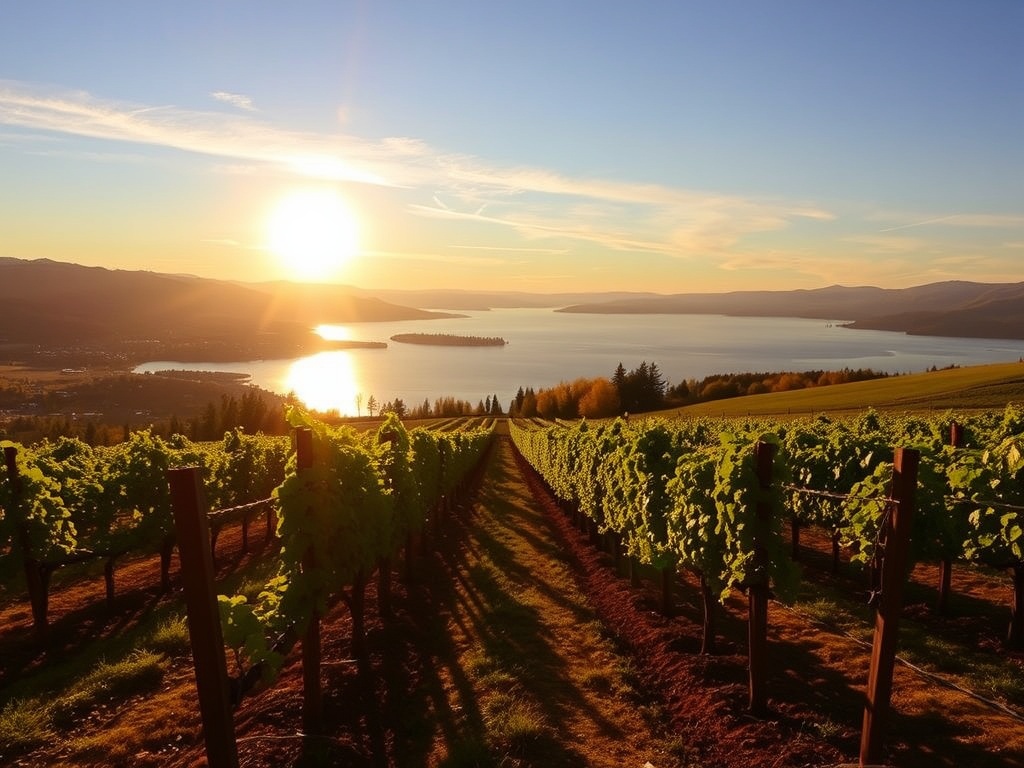
Here’s where visitors get it wrong: they try to hit wineries across different regions in one day.
Locals stick to one zone:
- West Kelowna: Tight cluster, minimal driving, reliable.
- Naramata Bench: Better scenery, slightly longer drives, worth it if you’re based in Penticton.
Three or four stops is the sweet spot. Anything more and you’re rushing or not enjoying it properly.
Step 4: Respect the Bridge (or Avoid It)
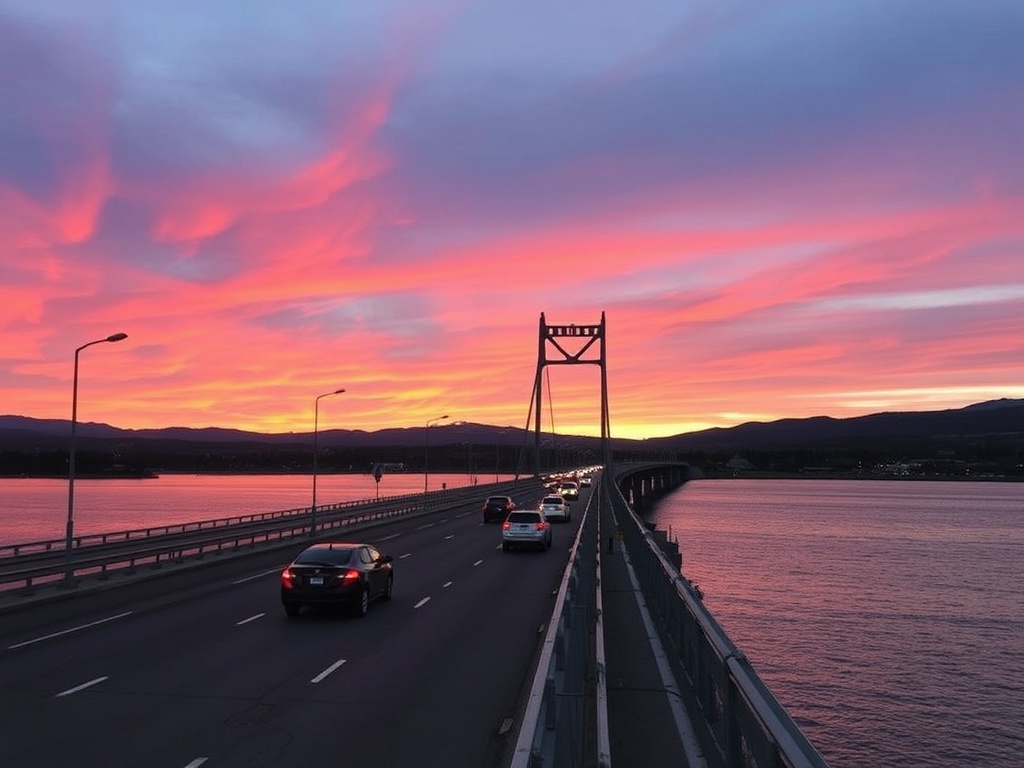
If you take one thing from this guide, make it this: the bridge between Kelowna and West Kelowna dictates your day.
Cross it at the wrong time and you’ll lose 30–60 minutes easily.
- Go early if heading to West Kelowna
- Come back before late afternoon
- Or stay on one side all day
Locals plan around the bridge. Visitors get stuck on it.
Step 5: Build Your Day Around the Lake Properly
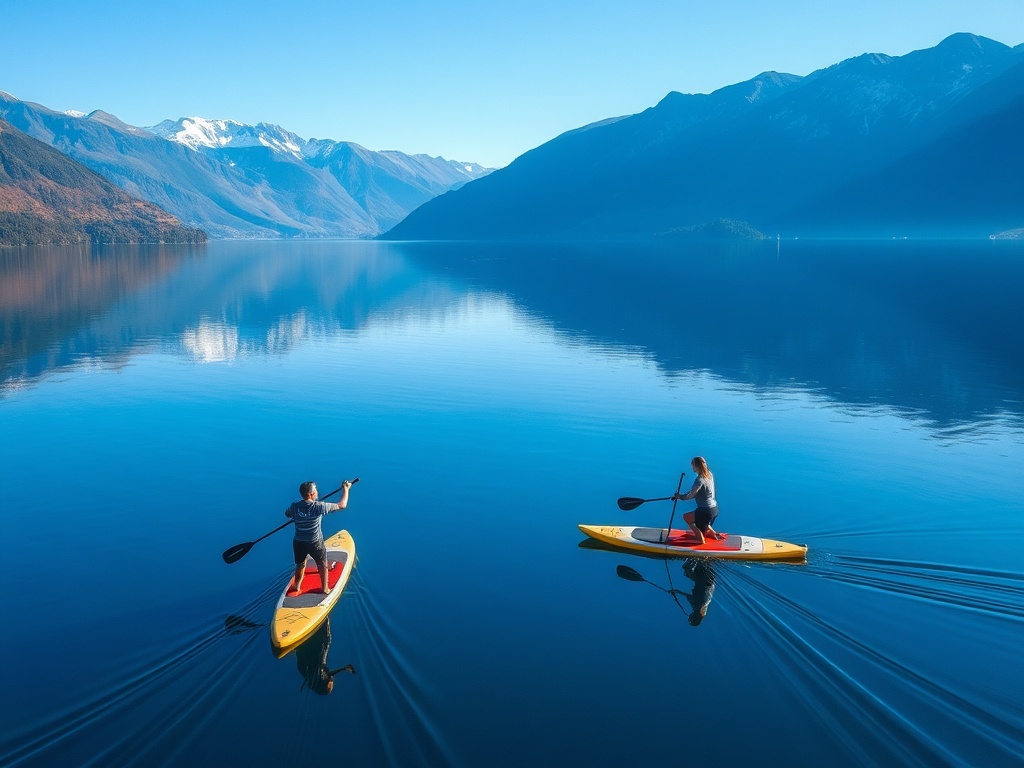
The lake is the centre of everything—but it’s not something you casually squeeze in between plans.
Do it right:
- Go early to secure parking at popular beaches
- Commit a full block of time (not 45 minutes)
- Pair it with nearby food or a brewery instead of driving across town after
Think in zones, not individual stops.
Step 6: Evenings Are the Payoff—Plan Them
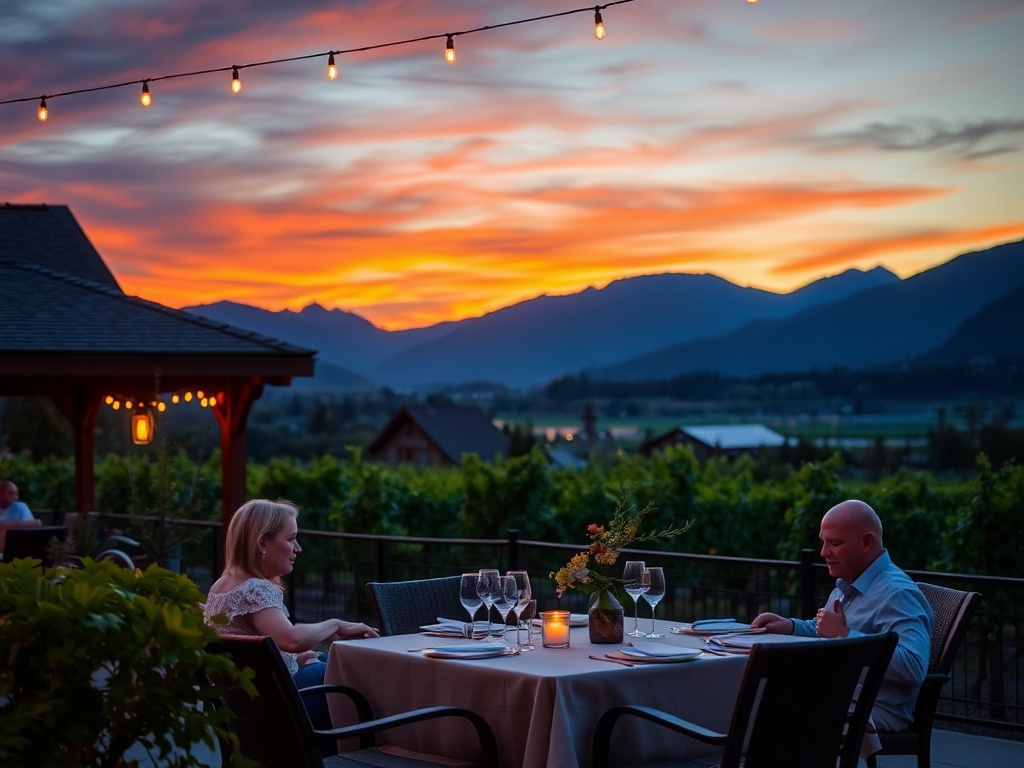
This is where the valley actually delivers. Warm air, long light, and patios that feel like they belong in a different country.
Don’t wing it:
- Book ahead in summer
- Time it for sunset
- Choose places with views—not just convenience
A good evening can make the whole weekend feel worth it.
Step 7: Leave Space for the Unexpected
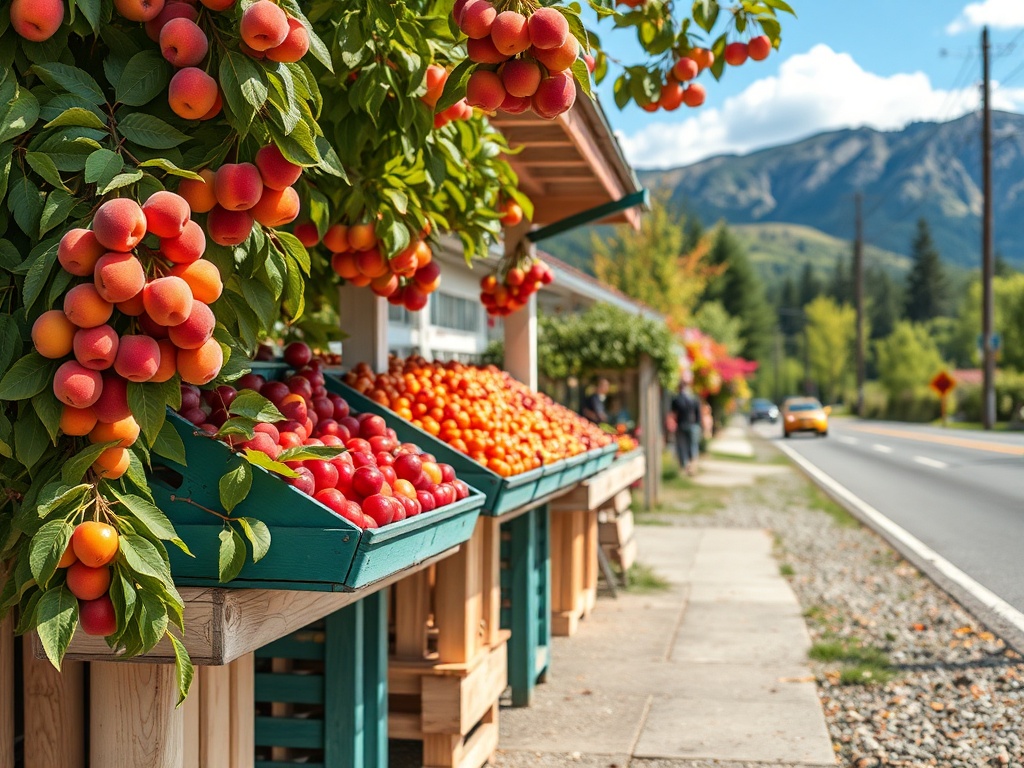
Some of the best stops here aren’t planned—fruit stands, quiet viewpoints, random beaches.
If your schedule is packed, you’ll drive right past them.
Leave gaps in your day so you can actually stop when something catches your eye.
Step 8: A Realistic 2-Day Plan
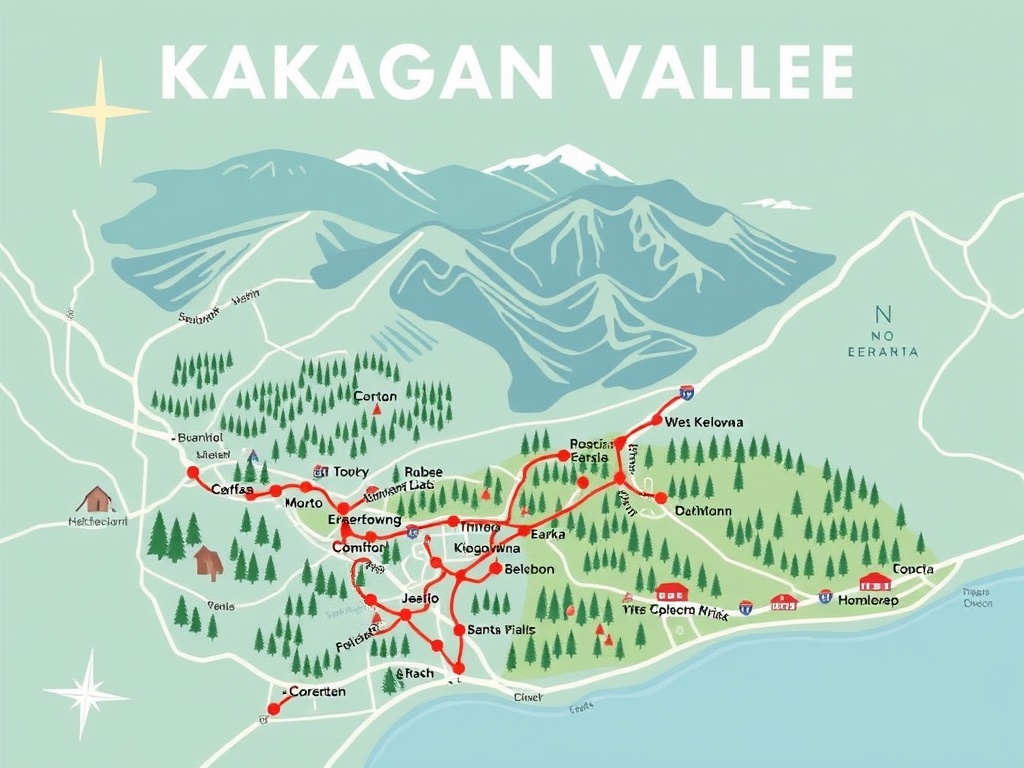
Day 1 (Kelowna + West Kelowna)
- Morning: Coffee downtown Kelowna
- Late morning: Cross early to West Kelowna
- Midday: 3 wineries along the wine trail
- Afternoon: Back to Kelowna before traffic
- Evening: Patio dinner + lakeside walk
Day 2 (Stay Local)
- Morning: Knox Mountain hike
- Midday: Beach time (Gyro or Rotary)
- Afternoon: Casual food + downtown wandering
- Early evening: Wrap up without rushing
No cramming. No long drives. Just a solid weekend.
Step 9: Timing Your Trip Changes Everything
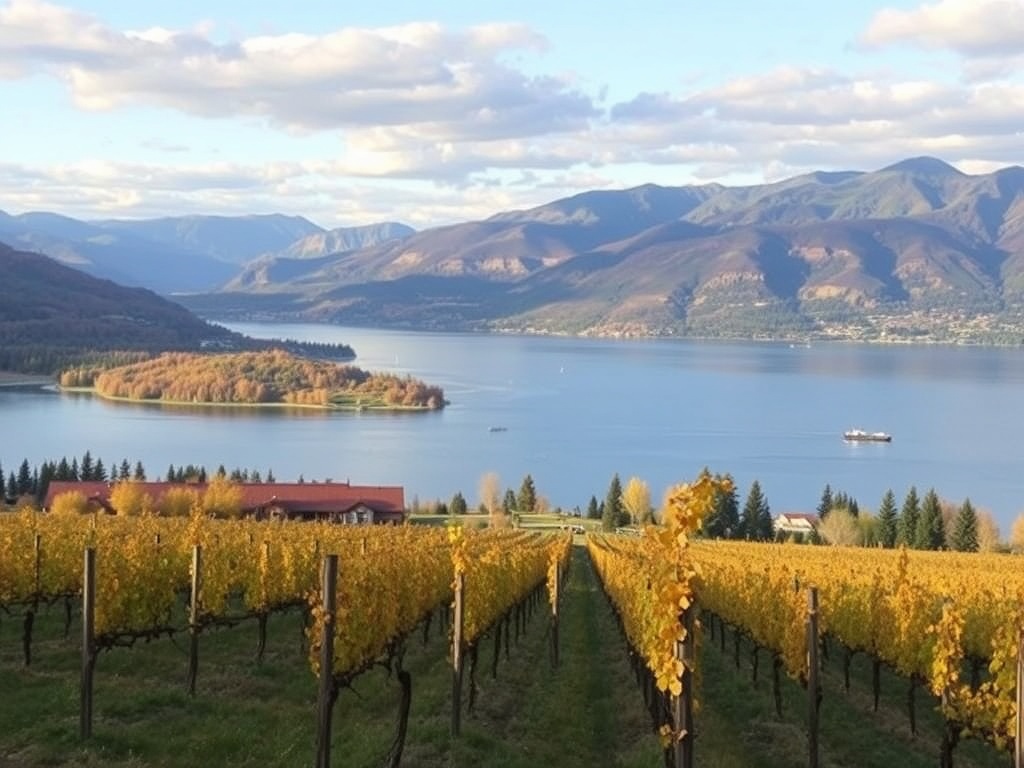
Locals know the secret: peak summer isn’t always the best time.
- July–August: Hot, busy, high energy
- May–June: Green, quieter, still warm
- September–October: Harvest season, best overall balance
If you can choose, go shoulder season. Same valley, better experience.
Step 10: Keep It Tight
The best weekends here follow one rule: fewer plans, better execution.
Pick a base. Choose a focus. Move with the place instead of fighting it.
That’s how locals do it—and it’s why their weekends actually feel like a break instead of a checklist.